
Winter weather is hard to predict almost anywhere, and in Oklahoma and North Texas it can flip overnight: a sunny, mild day followed by freezing temperatures and strong winds.
The best defense is keeping your vehicle ready for winter at all times. Here’s what to check before the next cold front rolls in.
Under the hood and around the car
- Fluids: Top off coolant to protect your cooling system, fill the windshield washer reservoir and make sure your oil change isn’t overdue.
- Hoses and belts: Cold air can make them brittle. Look for cracks and wear.
- Brakes: Watch for rust on the pads, which can cause pitting. Pitting roughens the rotors and lets rust particles contaminate the pads. If the pad and rotor start sticking, you may notice a stiff brake pedal, a sluggish release when you lift your foot, or a burning smell.
- Windows and wipers: Keep an ice scraper in the car. If you’ll be parked a long time in ice or snow, lift your wiper blades so they don’t freeze to the glass. It also makes scraping easier.
- Fuel: Keep at least half a tank. Icy roads can mean long delays.
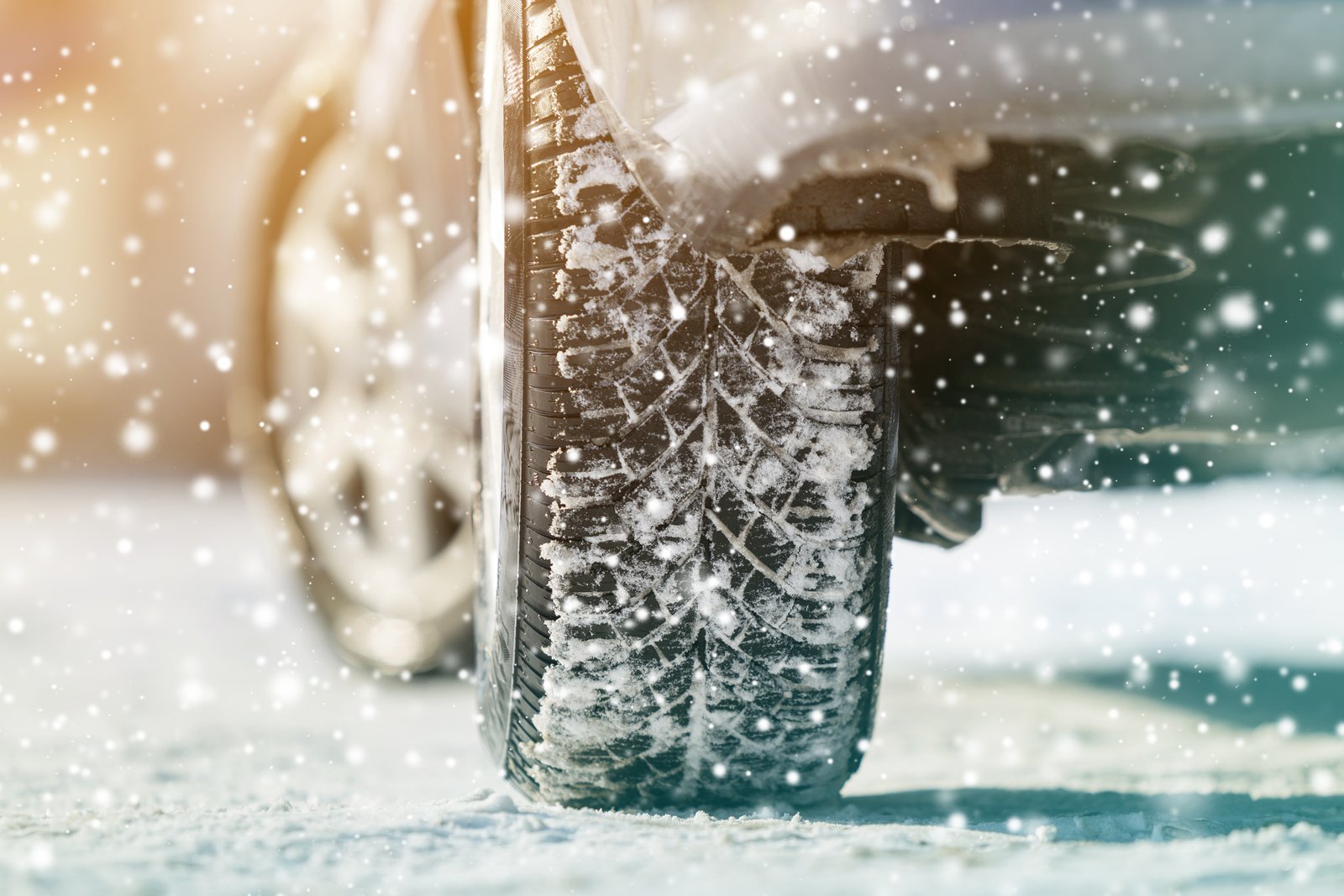
- Tires: Check pressure often and keep a gauge in the glove box, because falling temperatures lower tire pressure fast. Check tread depth too; good tread can make the difference on an icy patch.
- Winter tires: If you’re heading somewhere with real snow, consider swapping your all-seasons for winter tires, which are built for cold, ice and snow.
Pack a winter emergency kit
- A few bottles of water in case you’re stranded
- A small shovel to dig out your tires
- Jumper cables (worth keeping year-round)
- Anti-freeze windshield washer fluid, which is usually alcohol-based and helps melt frost and ice
- Your owner’s manual, which may have a quick fix if the car won’t cooperate
- A small bag of sand or non-clumping cat litter to help your tires grip if you get stuck
- Cold-weather gear for everyone: gloves, hats, coats, boots and blankets
Keep a first aid kit in the car
A basic kit is useful in every season. Include:
- Adhesive bandages
- Gauze pads
- Antibiotic ointment
- An antihistamine for allergic reactions
- Antiseptic wipes and hand sanitizer
- Aspirin, ibuprofen or another pain reliever
- Aloe vera for minor burns
- A digital thermometer
- Tweezers
- Saline solution for rinsing eyes or cleaning wounds
When in doubt, stay home
If you can avoid driving when roads are dangerous, do. No errand is worth the risk.
As temperatures drop, make winter checks a habit: tire pressure, oil, wiper fluid, gas and coolant, plus warm clothes in the car. A little preparation turns your everyday car into a capable winter car.
If you’re hurt in a winter crash, Accident Care and Treatment Center in Oklahoma City offers same-day, next-day and walk-in appointments for auto accident injuries. Call (405) 842-3209 or visit AccidentCare.com.